In this short article, we’re comparing vintage references - those classic models produced in earlier decades - with their modern counterparts. There’s no right or wrong choice when it comes to age or style, but there are important differences worth considering before making a purchase. For many historic brands, it’s a delicate balance between preserving classic design and embracing modern innovation. Some collectors are drawn to the charm and heritage of older pieces, while others prefer the precision of newer models. It’s not unlike the world of cars - some people love the raw feel of a classic V8, while others lean towards the cutting-edge technology of a modern hybrid. In this blog, we’ll offer an initial comparison of the two, helping you decide whether a vintage or modern watch better suits your taste.
VINTAGE CHARACTER
People buy luxury watches for all sorts of reasons - marking success, celebrating milestones like birthdays, or even commemorating a birth of a child. Often, you’ll hear someone say they want to pass their watch down through generations, turning it into a family heirloom. At its core, a great watch should carry character - it should tell a story. That’s where vintage pieces truly stand apart. Take a watch from 1975, for example: it has already lived a life. It has been somewhere, seen things, and existed through decades of change. It’s a tangible piece of history. Yet at the same time, when it becomes yours, it feels like a new chapter, its past is largely unknown, leaving space for you to add your own. And while some might assume age is a drawback, it’s quite the opposite. Many luxury brands, including Rolex, built their watches to endure. With proper care and servicing, a vintage watch can continue running flawlessly for decades.
In contrast, modern watches are all about innovation, updated movements, and a watchmaker’s constant push for greater complications and improved accuracy. If you’re into the latest releases or current models, modern pieces bring a different kind of excitement - especially with the anticipation that builds each year around new drops at Watches and Wonders. Another big plus is that they’re usually worn far less, and if you’re buying unworn or new, they often come in mint, almost untouched condition. That being said, compared to vintage watches, they can sometimes lack that real sense of character or history. What they do offer instead is a fresh start. A modern watch is essentially a blank canvas - you’re the one creating the story from day one and building its character over time through your own memories.

DESIGN AND AESTHETIC CHANGES
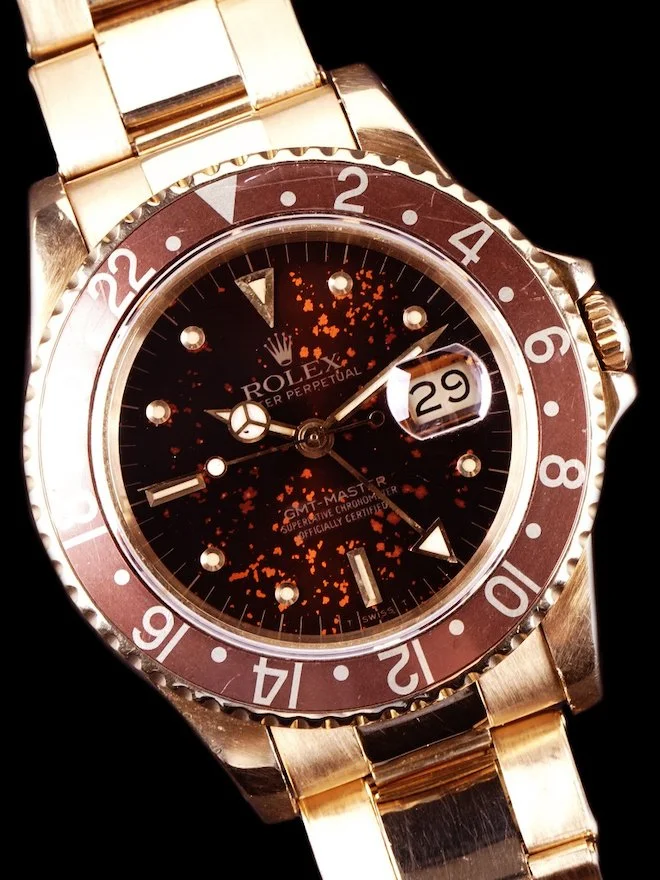
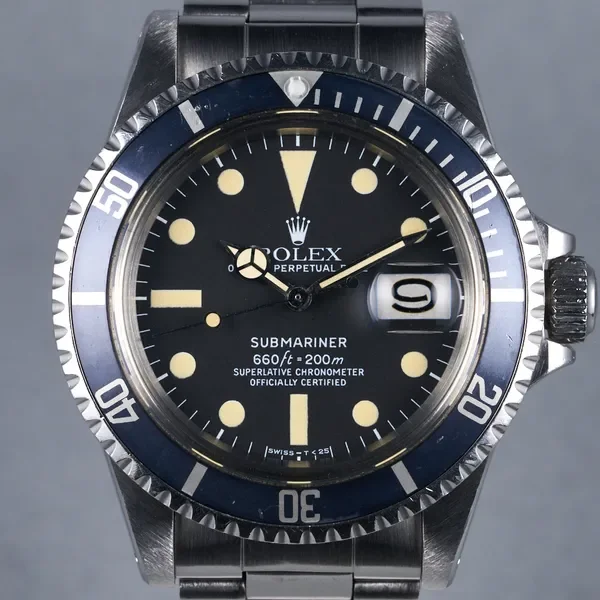
Many luxury watch brands, including Rolex, have kept their core designs consistent, but there have been some noticeable changes over time. One of the biggest shifts has been in case size. For years, the standard Rolex Datejust sat at 36mm, but as tastes evolved, brands followed the trend toward larger watches. By the mid-2000s, bigger cases became more popular for their stronger wrist presence and sportier look, leading to models like the 41mm Datejust introduced in 2009. For many vintage enthusiasts, though, the appeal remains in those smaller, lighter, more understated proportions. Material changes are another key difference. Vintage Rolex watches often feature acrylic crystals which are lightweight and easy to polish if scratched. Over time, these were replaced with sapphire crystal, a much harder and more durable material that offers a more premium feel. This transition happened gradually from the 1970s through to the 1990s. Finally, there’s patina - one of the defining traits of vintage watches. Over time, dials can fade and turn tropical or lume can become creamy. It’s not damage - it’s character, which links back to my previous point about the story and history each vintage watch carries. Modern watches, by contrast, are designed to resist ageing and maintain their original appearance, meaning they don’t develop that same natural patina that makes each vintage piece unique. Brands like Rolex now use advanced lume along with modern dial paints and coatings that are engineered to resist fading or ageing, keeping the watch looking consistent for years and enhancing durability and longevity.
MOVEMENTS AND TIMEKEEPING
One of the biggest advantages of buying a modern luxury watch over a vintage piece is the improvement in movements and overall timekeeping. Rolex and other brands are constantly developing more advanced calibres, resulting in watches with longer power reserves and far greater accuracy - often only losing or gaining a couple of seconds per day. A great example of this progress is the movement in the Rolex Land-Dweller, which was released last year and uses modern materials like silicon components to improve durability and resistance to magnetism. It also runs at a higher frequency, allowing for more precise timekeeping and greater consistency in everyday use. What really highlights the level of innovation is the development behind it, with dozens of patents filed for the Land-Dweller, many of which focus specifically on the movement itself. This shows just how advanced and technically refined the movement is. Compared to vintage models, which still offer impressive timekeeping, modern movements deliver improved accuracy and everyday performance.
It’s clear that there are real benefits to both modern and vintage luxury watches. Modern watches tend to offer greater accuracy and everyday performance due to improved movements and materials. However, they often lack the history and character that make vintage watches so appealing and collectable. I will always be biased and prefer vintage watches but I equally appreciate the innovation and craftsmanship found in modern watchmaking. This is part of the reason why so many enthusiasts build collections, as it’s rare to find one watch that does everything. Ultimately, it comes down to personal preference - whether you value the heritage and character of vintage pieces or the precision and reliability of modern watchmaking. Whichever direction you choose, both offer something genuinely amazing, and that’s what makes collecting watches so interesting.