Vintage Rolex watches are renowned for featuring some of the most distinctive and visually striking dials ever produced. Rolex often created short production runs of unique designs, including stone dials, diamond-set dials, and everything in between.
Before exploring some notable examples, it’s worth explaining what a dial actually is. The “dial” refers to the visible face of the watch, where the indices and hour markers are displayed. The hands are mounted through a central hole in the dial and point to these markers to indicate the time. Dials can be made from a wide range of materials and feature varying designs and styles, with indices and hour markers crafted from different materials as well.
CLassic Vintage Dials
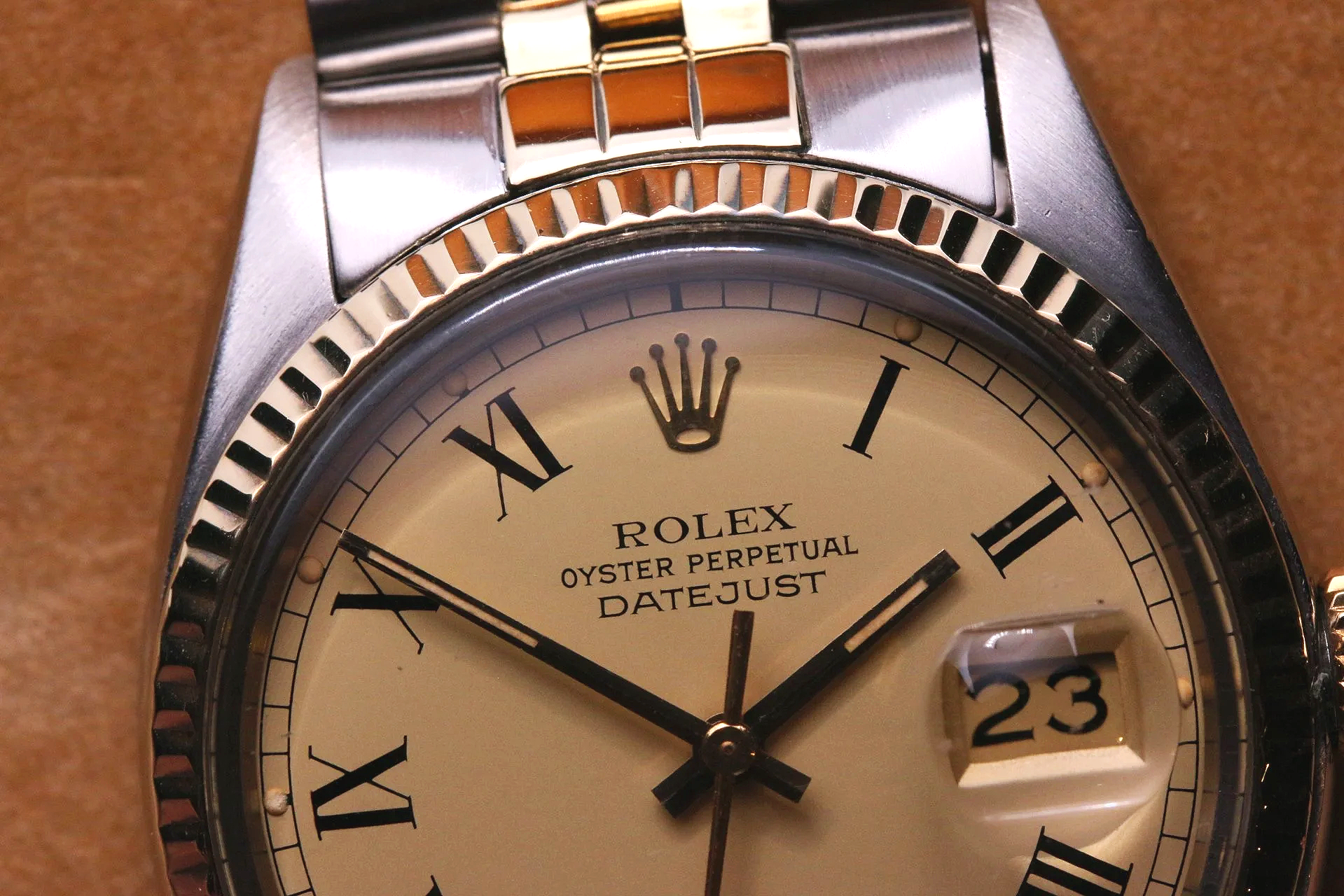
It’s worth beginning with some of the most well-known vintage dial styles, including pie-pan dials, Buckley dials, and sigma dials. You may even spot a couple of these examples among the watches currently available in our stock. The pie-pan dial takes its name from its distinctive shape, with subtly slanted edges that create depth. This design resembles the base of a pie pan, giving the dial a unique appearance with a clearly defined outer ring. Buckley dials are characterised by Roman numeral hour markers and were most commonly found on vintage Datejust models from the 1970s and 1980s. Sigma dials, meanwhile, are identified by the use of precious metals, most often white gold, for both the indices and the hands. These are among the most recognisable vintage Rolex dial styles, forming the foundation of many collectors’ journeys into vintage Rolex, before moving on to far rarer and more unconventional designs.
The art of Stone Dials
Now that we’ve covered what a dial is, it’s time to explore some of the most striking dials Rolex has ever produced: stone dials. Yes, you read that correctly. Rolex didn’t just experiment with stone dials; they mastered them, creating some of the most unique and visually captivating watches in their history.
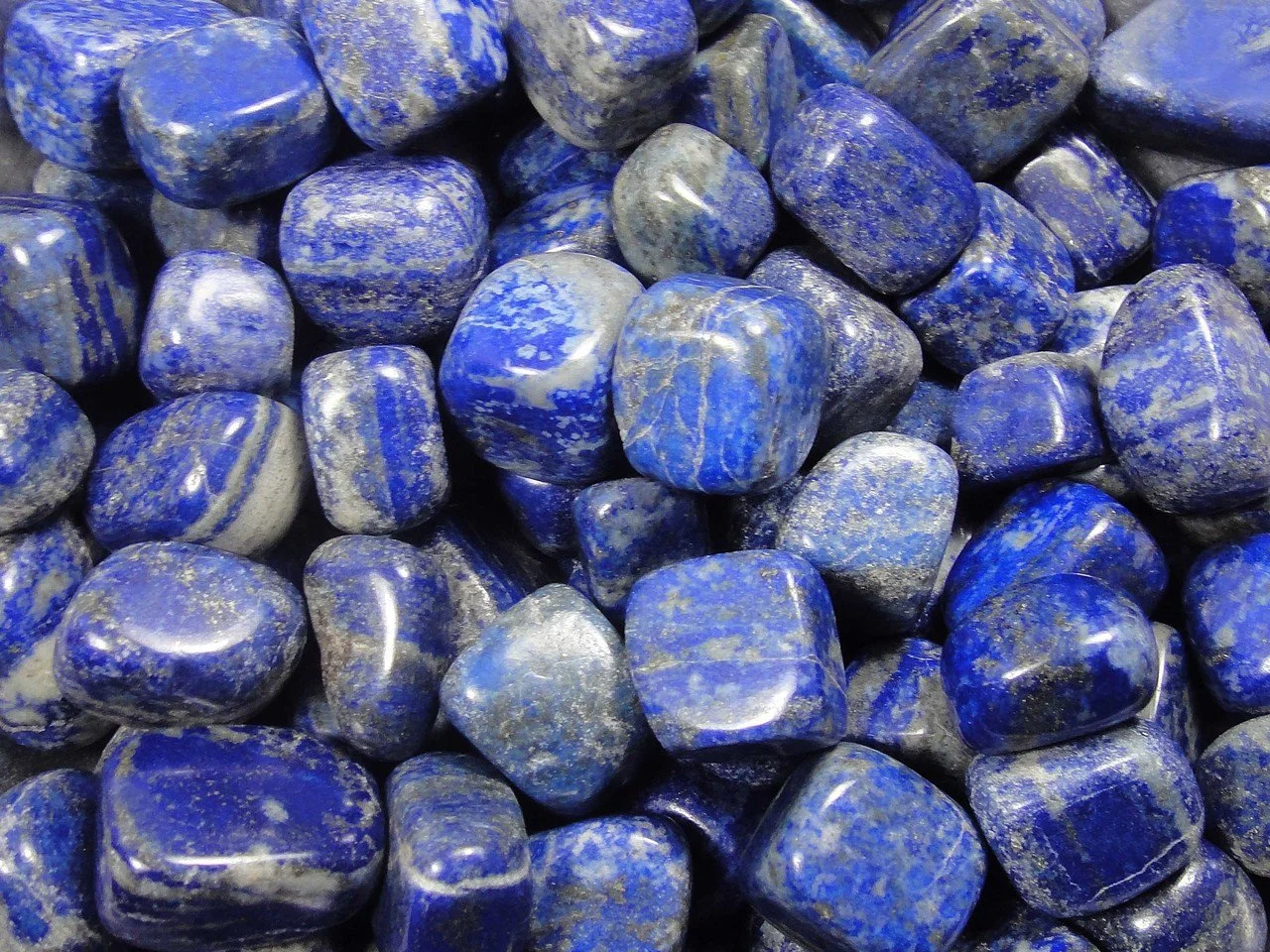
This trend began in the 1970s, when Rolex started crafting dials from carefully selected semi-precious stones, each chosen for its natural beauty and distinctive patterns. One of the most iconic examples is the lapis dial. Crafted from lapis lazuli, this dial is celebrated for its deep, vivid blue colour. Producing lapis lazuli dials is particularly challenging, as only the highest-quality stone can be used, and the cutting process requires exceptional precision. The finest lapis lazuli is sourced from Afghanistan and is often flecked with traces of natural gold, adding to its unmistakable appeal.
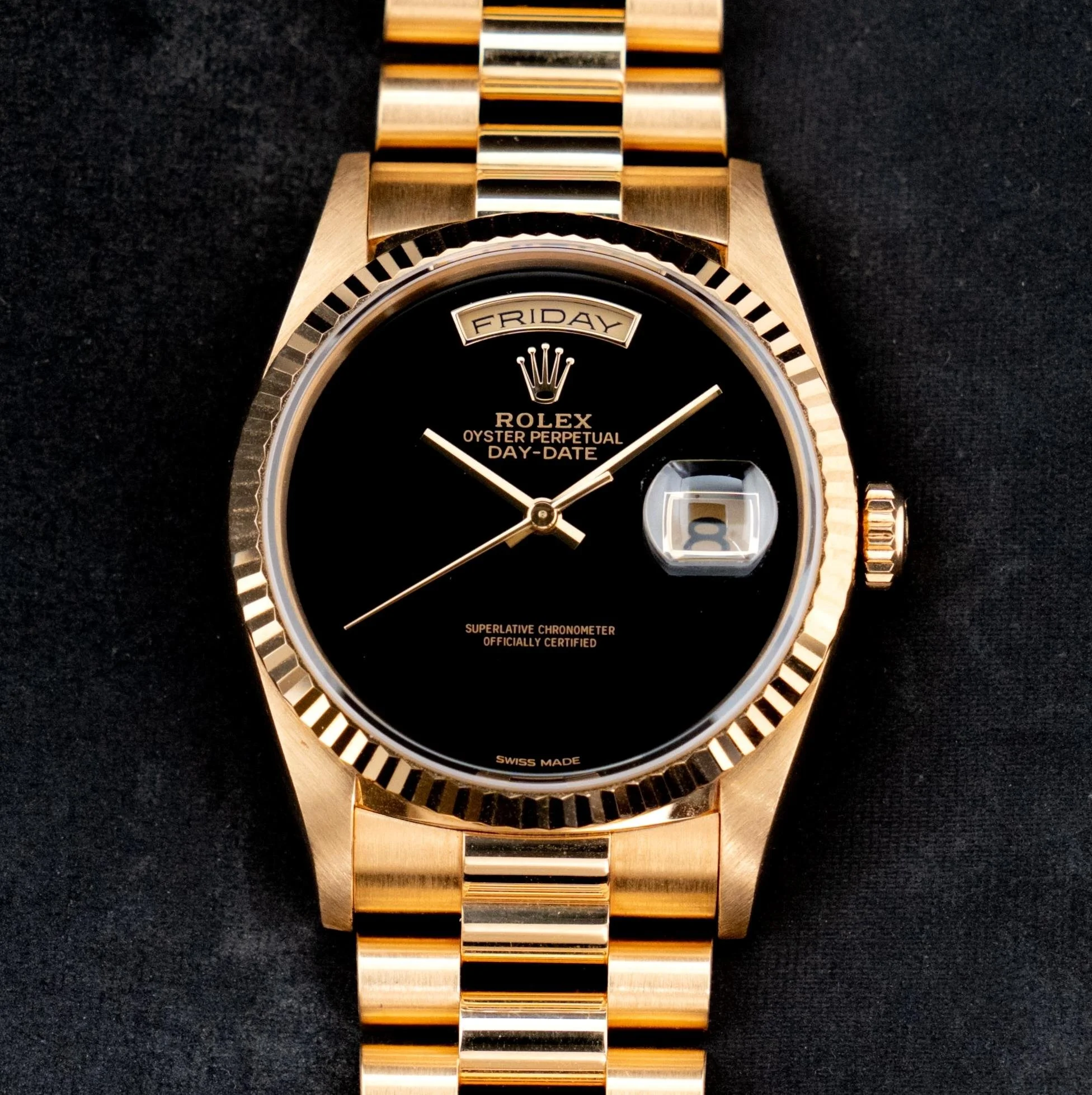
Another standout, and a personal favourite, is the onyx dial. Made from a rare natural dark stone, the onyx dial is typically free of indices altogether, resulting in a bold, minimalist aesthetic. While this makes telling the time more difficult, practicality is hardly the priority when owning a watch of this calibre. The onyx dial is highly sought after by collectors, and due to both its rarity and the fragility of the stone, examples in excellent condition are becoming increasingly difficult to find.
Khanjar dials
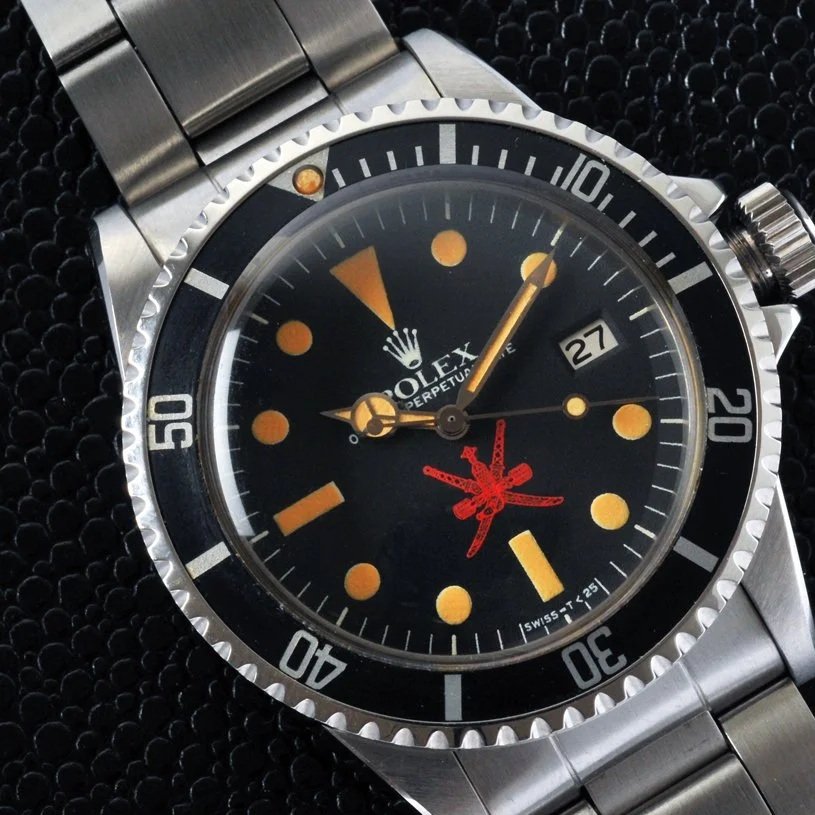
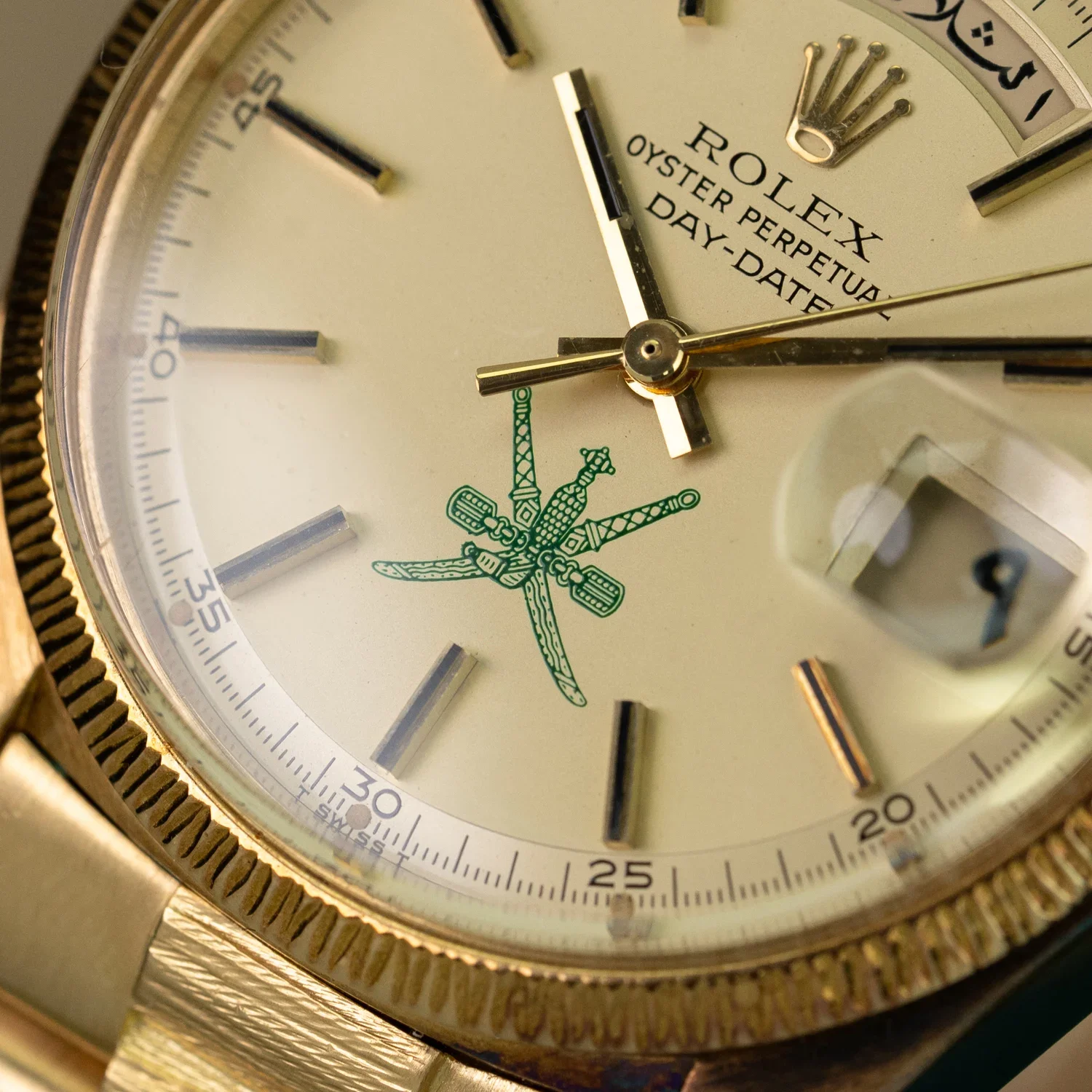
One of the most sought-after dial styles among collectors features the Omani Khanjar dagger emblem. These exceptionally rare dials were never available to the general public and were instead specially commissioned as gifts for senior dignitaries, military officials, and trusted allies by Sultan Qaboos bin Said of Oman. Each watch served not only as a mark of prestige, but also as a symbol of loyalty and recognition from the Sultan himself.
Sultan Qaboos bin Said (1940–2020) was the longest-serving monarch in the Middle East, ruling Oman for nearly five decades. Alongside his political legacy, he was also a passionate and highly discerning watch collector. He became particularly known for commissioning high-end timepieces, most notably Rolex models, bearing the Khanjar symbol, which represents the traditional Omani dagger and is a national emblem of Oman. These watches were produced in limited numbers across a range of models, often featuring subtle variations in dial layout, and colour. Today, Rolex watches fitted with Omani Khanjar dials command substantial premiums over standard examples and are among the most historically significant and desirable pieces in the vintage Rolex market.
Vibrant Stella dials
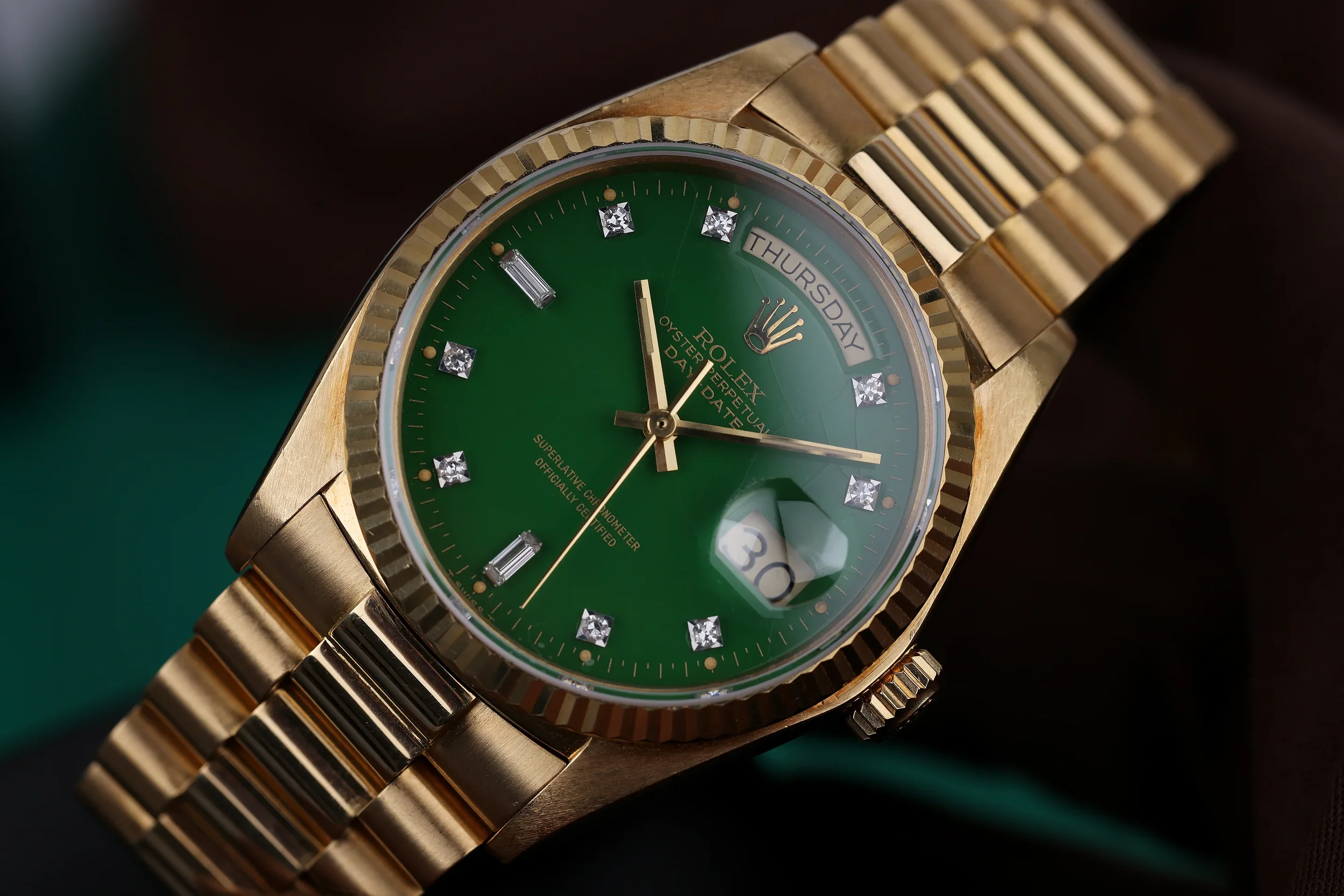
Last but not least, we come to Stella dials. These distinctive lacquered dials are best known for their vibrant, highly saturated colours and unmistakable glossy finish. The name “Stella” is believed to originate from the company that supplied the lacquer used in their production. Over the decades that followed, these colourful variants became highly prized by collectors, though not because Rolex intended them to be collectible. In fact, they sold poorly upon release. Their appeal grew instead from their rarity and bold visual character. Stella dials were produced exclusively for Day-Date models and appeared in a wide array of colours. The lacquer was applied by hand in multiple layers, with each layer baked repeatedly to achieve depth and durability. Once complete, the dial surfaces were polished, resulting in the signature high-gloss aesthetic for which Stella dials are now celebrated. Slow sales reportedly led to the destruction of unsold inventory, further tightening supply and reinforcing the scarcity that defines the Stella dial market today.
We hope this brief introduction to some of the rarest and most recognisable Rolex dials has offered a glimpse into the character of vintage Rolex collecting. In truth, we have only scratched the surface. Entire categories remain unexplored, from co-branded dials such as COMEX Submariners to watches bearing military insignia and government-issued markings. In fact, Rolex is known to have produced dials featuring crests or signatures for at least fifteen different governments, further highlighting the brand’s unique position at the intersection of luxury, history, and purpose-built tool watches.
It is this remarkable variety that make vintage Rolex so endlessly fascinating. Each dial tells its own story, and for collectors, discovering those stories is very much part of the appeal.